School Education
Exploring curriculum, pedagogy, and the ideas shaping how children learn in schools today.
School education sits at the intersection of policy, practice, and possibility. Here we explore what’s working, what’s changing, and what still needs to shift — with honesty, evidence, and a deep respect for the complexity of teaching and learning.
What You’ll Find Here
🔬 STEM & STEAM
How science, technology, engineering, arts, and mathematics come together to build rich, interdisciplinary learning — from makerspaces and robotics to creative problem-solving across the curriculum.
📋 Curriculum & Pedagogy
Deep dives into teaching methods, learning design, assessment, and differentiation — always with an eye on what helps students think critically, collaborate, and thrive.
🏫 School Systems
Insight into school structures, leadership, funding, and policy — what is changing, what is stuck, and how systems can better support students and teachers.
From the Blog
STEM vs STEAM: What’s the Difference?
A clear, classroom-focused breakdown of two popular frameworks — and how each one shapes student creativity, problem-solving, and future-ready skills.
How Curriculum Design Shapes Learning
Why the sequence, depth, and balance of your curriculum matter — and practical ways to design units that build understanding over time.
What Modern Schools Are Getting Right (And Wrong)
An honest look at promising innovations, persistent inequities, and the tensions schools navigate as they try to serve every learner well.
“Education is not the filling of a pail, but the lighting of a fire.”
— W.B. YeatsDig Deeper
Explore more articles on curriculum, pedagogy, STEM/STEAM, and school systems — and join a community committed to thoughtful, evidence-informed education.
Latest Posts
-
Lesson Planning: The Blueprint for Effective Teaching
Lesson Planning: The Blueprint for Effective Teaching Behind every engaging lesson, smooth transition, and meaningful learning moment is a thoughtful plan. Lesson planning is not busywork or a bureaucratic requirement; it is the blueprint that helps you translate curriculum goals into everyday classroom experiences. With a solid plan, you can be more present with students,… Read more
-
STEM vs STEAM: What’s the Difference and Why It Matters
If you spend any time around schools, you’ve probably heard the term STEM tossed around. More recently, you might also have come across STEAM. At first glance, it looks like someone just added an extra letter. But that one letter — A for Arts — represents a powerful shift in how we think about learning… Read more
-
🌱 Why Children Struggle with Phonics (And How to Fix It)
🌼 Before We Begin: Understanding the Reality Before we even discuss phonics, we need to acknowledge an important context—especially in India. For many children, English is not their first language. Even when it is introduced early through: 👉 It does not mean the child is ready to read the language. Because reading and blending are… Read more
-
🌱 Workstation-Based Learning in Kindergarten: A Shift We Can’t Ignore
🌼 Introduction: Why This Change Became Necessary Around 2018, we began noticing a clear shift in young learners. Children were: And as educators, we asked ourselves: 👉 Is the traditional classroom model still working for this generation? ⚠️ The Reality of Today’s Childhood Today’s children are growing up in a fast-paced world. I strongly resonate… Read more
-
🌱 How to Build Strong Reading Foundations in Kindergarten
Reading: At the foundation level 🌼 Introduction: Why I Started With This This is my first blog—and I chose to begin with something very basic, yet deeply important. Over the years, working closely with Kindergarten classrooms, I have repeatedly observed one growing concern: 👉 Children today are struggling to develop strong reading skills at the… Read more
-
FoundEdSpace: Why I Started This Blog – And Why It Matters Today
The idea for this blog began with a simple yet powerful reflection—are we truly preparing children for the world they are growing into? Over the years, working closely with classrooms across levels, especially in the early years, I have observed a visible shift in how children learn, respond, and engage. Increased screen exposure, reduced real-world… Read more
Latest Posts
-
Lesson Planning: The Blueprint for Effective Teaching
Lesson Planning: The Blueprint for Effective Teaching Behind every engaging lesson, smooth transition, and meaningful learning moment is a thoughtful plan. Lesson planning is not busywork or a bureaucratic requirement; it is the blueprint that helps you translate curriculum goals into everyday classroom experiences. With a solid plan, you can be more present with students,… Read more
-
STEM vs STEAM: What’s the Difference and Why It Matters
If you spend any time around schools, you’ve probably heard the term STEM tossed around. More recently, you might also have come across STEAM. At first glance, it looks like someone just added an extra letter. But that one letter — A for Arts — represents a powerful shift in how we think about learning… Read more
-
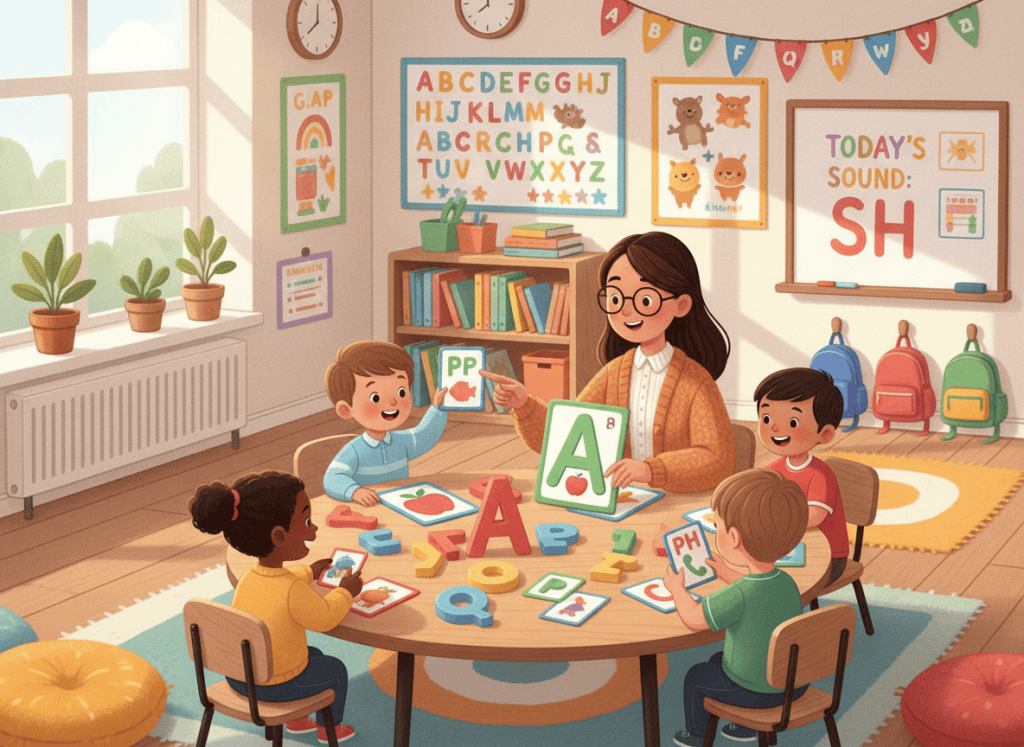
🌱 Why Children Struggle with Phonics (And How to Fix It)
🌼 Before We Begin: Understanding the Reality Before we even discuss phonics, we need to acknowledge an important context—especially in India. For many children, English is not their first language. Even when it is introduced early through: 👉 It does not mean the child is ready to read the language. Because reading and blending are… Read more
-
🌱 Workstation-Based Learning in Kindergarten: A Shift We Can’t Ignore
🌼 Introduction: Why This Change Became Necessary Around 2018, we began noticing a clear shift in young learners. Children were: And as educators, we asked ourselves: 👉 Is the traditional classroom model still working for this generation? ⚠️ The Reality of Today’s Childhood Today’s children are growing up in a fast-paced world. I strongly resonate… Read more
-
🌱 How to Build Strong Reading Foundations in Kindergarten
Reading: At the foundation level 🌼 Introduction: Why I Started With This This is my first blog—and I chose to begin with something very basic, yet deeply important. Over the years, working closely with Kindergarten classrooms, I have repeatedly observed one growing concern: 👉 Children today are struggling to develop strong reading skills at the… Read more
-
FoundEdSpace: Why I Started This Blog – And Why It Matters Today
The idea for this blog began with a simple yet powerful reflection—are we truly preparing children for the world they are growing into? Over the years, working closely with classrooms across levels, especially in the early years, I have observed a visible shift in how children learn, respond, and engage. Increased screen exposure, reduced real-world… Read more

